Tile for Your Home
Durable, waterproof ceramic and porcelain tile — the timeless choice for kitchens, bathrooms, entryways, and mudrooms.
Where Tile Fits in Your Home
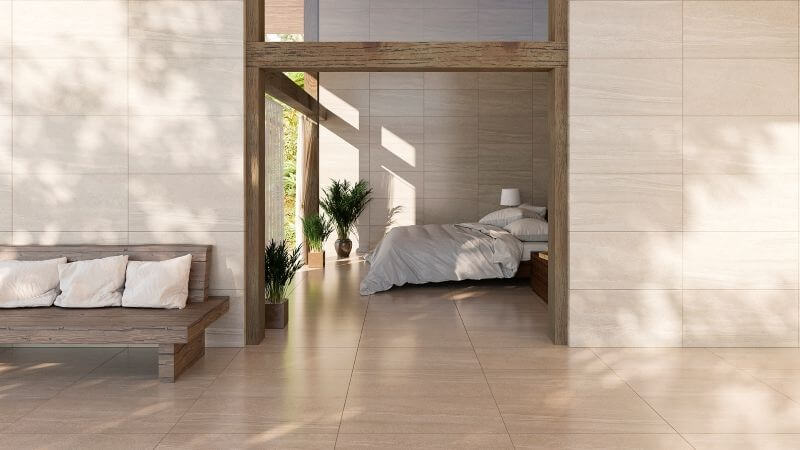
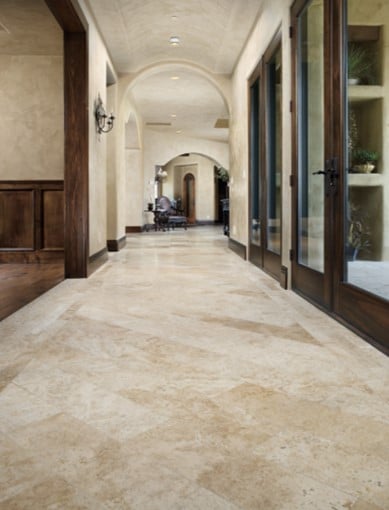
Tile is the go-to flooring choice for bathrooms, kitchens, entryways, mudrooms, and laundry rooms — anywhere moisture resistance and durability are priorities. Ceramic and porcelain tiles come in an enormous range of sizes, colors, patterns, and finishes, from classic subway tile to large-format porcelain that mimics natural stone. Tile also works beautifully in sunrooms, enclosed porches, and around fireplaces.
Pros & Cons
Advantages
- • Waterproof and moisture-resistant
- • Extremely durable — lasts decades
- • Easy to clean and maintain
- • Huge range of styles, sizes, and finishes
- • Compatible with radiant floor heating
- • Adds resale value to your home
Considerations
- • Hard underfoot — can be uncomfortable for long standing
- • Can be cold without radiant heating
- • Grout lines require periodic cleaning and sealing
- • Longer installation time than most flooring types
- • Polished tiles can be slippery when wet
Installation Notes
Tile installation begins with removing existing flooring and preparing the subfloor. A flat, stable substrate is critical for tile — we handle leveling, waterproofing membranes (for wet areas), and backer board installation as needed. Tiles are set with thinset mortar, followed by grouting and sealing. The process takes longer than other flooring types due to curing times, but the result is a floor that will last for decades. We work room by room and keep the rest of your home clean and accessible.
Maintenance Basics
Tile is one of the lowest-maintenance flooring options. Sweep or vacuum regularly and mop with a mild cleaner. Grout lines may need periodic cleaning with a grout-specific cleaner and resealing every 1-2 years (for cement-based grout). Epoxy grout is an upgrade that requires virtually no maintenance. Avoid abrasive cleaners that can dull polished tile surfaces. We provide care recommendations specific to your tile and grout type.
Frequently Asked Questions
What is the difference between ceramic and porcelain tile?
Porcelain tile is denser and more water-resistant than ceramic, making it better for bathrooms, entryways, and outdoor use. Ceramic tile is lighter and easier to cut, making it a good choice for walls, backsplashes, and lower-traffic areas. Both are durable and low-maintenance.
Is tile cold underfoot?
Tile can feel cool, especially in winter. Many homeowners pair tile with radiant floor heating for added comfort in bathrooms and kitchens. Area rugs are another simple option for adding warmth.
Can tile be installed over existing tile?
In some cases, yes — if the existing tile is flat, well-bonded, and structurally sound. However, installing over existing tile raises the floor height, which can affect doors and transitions. We evaluate this during the consultation and recommend the best approach.
How long does tile last?
Properly installed tile can last 50+ years in a residential setting. It is one of the most durable flooring options available. Grout may need periodic resealing depending on the type used.
Is tile slippery?
It depends on the finish. Polished and glossy tiles can be slippery when wet. For bathrooms, kitchens, and entryways, we recommend textured or matte-finish tiles with a higher slip-resistance rating.
How long does tile installation take?
Tile installation takes longer than most flooring types due to setting and grouting time. A typical bathroom takes 2-4 days. Larger areas like kitchens or full floors may take 5-10 days including prep, setting, grouting, and curing.
Ready for New Tile Floors?
Contact us for a free consultation and detailed proposal for your home.
Request a Quote