Hardwood & Engineered Hardwood for Your Home
The timeless warmth and beauty of real wood — in solid and engineered options to suit every home, subfloor, and budget.
Where Hardwood Fits in Your Home
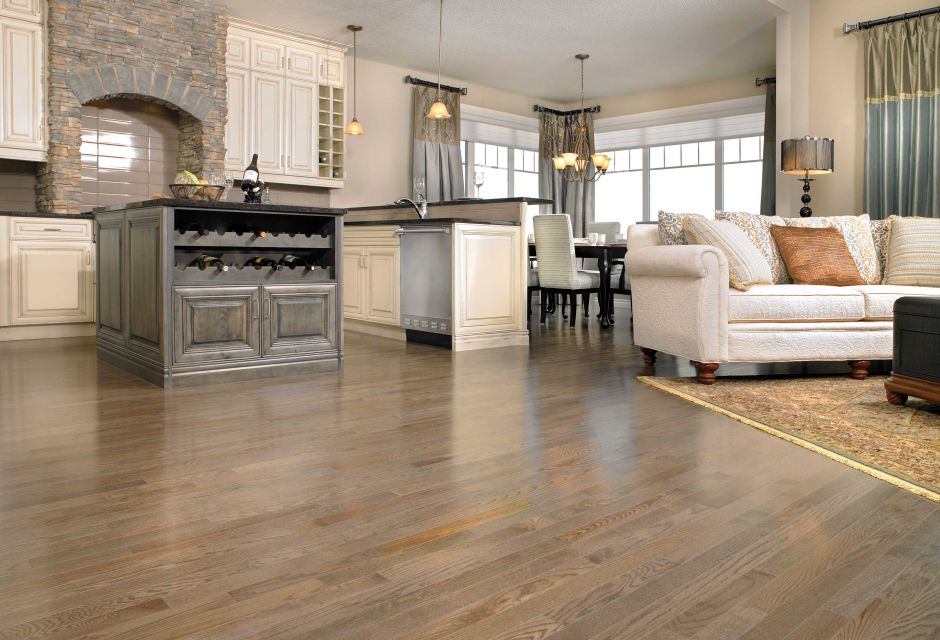
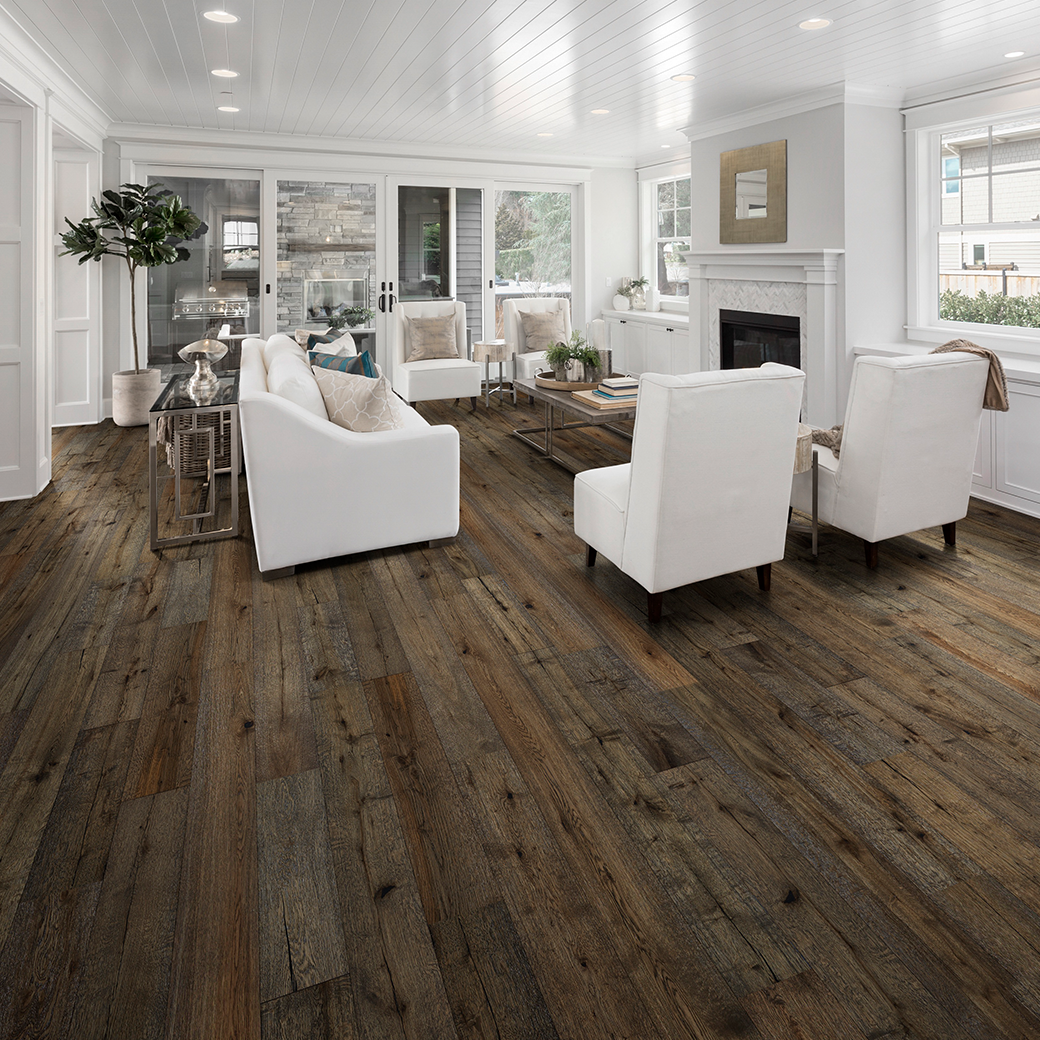
Hardwood flooring — whether solid or engineered — is a premium choice for living rooms, bedrooms, dining rooms, hallways, and home offices. Nothing matches the warmth, character, and elegance of real wood underfoot. Solid hardwood is the classic choice for above-grade installations, while engineered hardwood offers better dimensional stability for concrete slabs, basements, and areas with humidity changes. Many homeowners choose hardwood throughout the home for a seamless, cohesive look that adds lasting resale value.
Solid Hardwood vs. Engineered Hardwood
Solid Hardwood
- • 100% real wood — milled from a single piece
- • Can be refinished 5-7+ times over its lifetime
- • Can last 50-100+ years with proper care
- • Best for above-grade rooms with plywood subfloors
- • More susceptible to expansion/contraction with humidity changes
Engineered Hardwood
- • Real hardwood veneer over a stable plywood core
- • Can be refinished 1-3 times (depending on veneer thickness)
- • Better stability in changing temperature and humidity
- • Can be installed over concrete slabs and in basements
- • Available in wider planks and premium wood species
Pros & Cons of Hardwood Flooring
Advantages
- • Authentic real wood look and feel — nothing compares
- • Adds significant resale value to your home
- • Can be refinished to look brand new
- • Wide range of species, stains, and plank widths
- • Long lifespan — a true investment in your home
Considerations
- • Not waterproof — not ideal for bathrooms or laundry rooms
- • Can scratch with heavy pet traffic
- • Higher cost than LVT/LVP or carpet
- • Requires acclimation before installation
- • Humidity control (35-55%) important for long-term performance
Installation Notes
Solid hardwood is typically nail-down installed over plywood subfloors. Engineered hardwood can be nail-down, glue-down, or float-installed depending on the product and subfloor type — including concrete slabs. Both require acclimation in your home for several days before installation. We assess subfloor conditions, handle any leveling or moisture mitigation needed, and install room by room to minimize disruption. Transitions between rooms and to other flooring types are finished with matching trim for a polished look.
Maintenance Basics
Keep your hardwood floors looking great with regular sweeping or vacuuming using a soft-bristle attachment. Use manufacturer-recommended wood floor cleaners — avoid water, vinegar, and steam mops. Place felt pads under furniture legs, use mats at entryways, and keep pet nails trimmed. Maintaining consistent indoor humidity (35-55%) helps prevent gaps and cupping. When wear shows, both solid and engineered hardwood can be refinished to look brand new. We provide detailed care instructions with every installation.
Frequently Asked Questions
What is the difference between solid hardwood and engineered hardwood?
Solid hardwood is milled from a single piece of wood and can be refinished many times over its lifetime. Engineered hardwood has a real hardwood veneer on top of a plywood or high-density fiberboard core, giving it better dimensional stability in environments with humidity and temperature changes. Both deliver the authentic look and feel of real wood.
Which is better for my home — solid or engineered?
It depends on your home and subfloor. Engineered hardwood is the better choice for installation over concrete slabs, in basements, and in areas with humidity fluctuations. Solid hardwood is ideal for above-grade rooms with plywood subfloors and offers more refinishing potential. We help you decide during the consultation based on your specific conditions.
Can hardwood floors be refinished?
Solid hardwood can be refinished many times (5-7+ times) over its lifetime. Engineered hardwood can typically be refinished 1-3 times depending on the thickness of the top veneer layer. Products with thicker veneers (3mm+) offer more refinishing flexibility.
Is hardwood good for kitchens?
Hardwood can work in kitchens, but neither solid nor engineered hardwood is waterproof. Spills should be cleaned up promptly. For kitchens with heavy water exposure, LVT/LVP or tile may be a better choice. We can discuss the trade-offs during your consultation.
How long does hardwood flooring last?
Solid hardwood can last 50-100+ years with proper care and periodic refinishing. Engineered hardwood typically lasts 20-30+ years. Both are long-term investments that add lasting value to your home.
How long does installation take?
Most single-room installations take 1-2 days. Whole-home projects typically take 3-7 days depending on square footage, installation method, and subfloor preparation needs. Solid hardwood may require additional time for acclimation and finish curing if site-finished.
Ready for Hardwood Floors?
Contact us for a free consultation and detailed proposal for your home.
Request a Quote