Commercial Flooring for Hospitality
Durable, attractive flooring solutions for hotels, restaurants, and hospitality spaces. We work around your operations to minimize disruption.
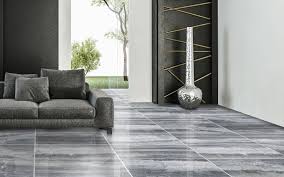
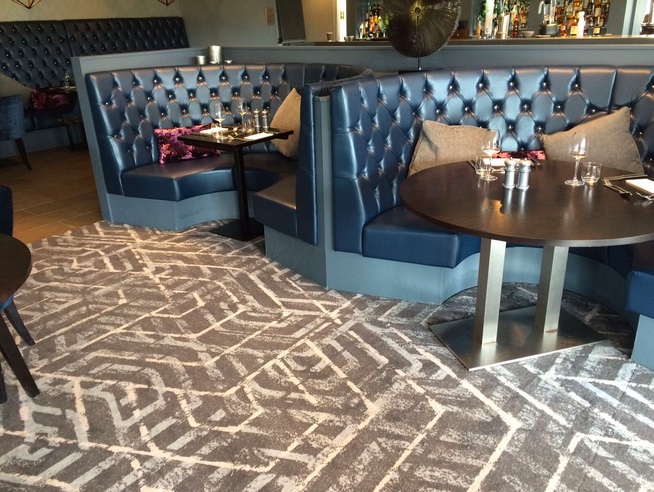
What Hospitality Needs From Flooring
Hotels, restaurants, and event venues put flooring through a punishing cycle: heavy foot traffic, rolling luggage, food and beverage spills, and constant cleaning — all while guests expect the space to look sharp. The floor is one of the first things a guest notices, and one of the fastest things to degrade when the wrong material is specified.
Hospitality flooring has to solve two problems at once. It needs to hold up to operational abuse — kitchen grease, housekeeping carts, furniture drags, wet shoes at the entrance — and it needs to support the aesthetic that keeps guests coming back. A lobby floor that looks tired after two years is a rebrand problem, not just a maintenance issue.
Installation logistics matter as much as the material itself. Most hospitality spaces can't shut down entirely for a remodel. That means phased work, after-hours crews, and tight coordination with operations staff. If the installation plan doesn't account for how the building actually runs, the project will stall or force revenue-killing closures.
Common Failure Modes We Prevent
- • Adhesive failure from moisture: Concrete slabs in older hotels often have elevated moisture vapor emission rates. Glue-down LVT or carpet installed without proper testing will debond within months.
- • Edge curl at transitions: Guest room thresholds, elevator landings, and bathroom doorways see heavy rolling traffic. Without proper transition strips and edge detailing, sheet goods and planks lift and curl.
- • Grout staining in dining areas: Porous grout in restaurant floors absorbs spills fast. Unless a high-performance epoxy grout is specified, the grout lines will discolor within the first season.
- • Carpet crushing in corridors: Low-density carpet in hallways mats down under housekeeping cart traffic, creating visible wear paths far ahead of scheduled replacement.
- • Slip incidents at entrances: Polished hard surfaces near exterior doors become dangerously slick in wet weather. Proper matting systems and slip-rated finishes prevent liability exposure.
- • Odor retention in guest rooms: Broadloom carpet that isn't stain- and moisture-resistant traps odors over time. Rooms start smelling stale despite regular cleaning.
- • Subfloor telegraphing: Thin resilient flooring installed over rough or uneven concrete shows every imperfection. Guests see ridges and dips that undermine the space's perceived quality.
Recommended Systems by Zone
Lobby
The lobby sets the tone for the entire property. It sees rolling luggage, wet shoes, and constant foot traffic from check-in to checkout.
- • Best fit: Porcelain tile with epoxy grout, or high-end LVT in a stone or wood visual for a warmer look.
- • Avoid: Natural stone without a proper sealing regimen — it stains fast in high-traffic entries.
Guest Rooms
Guest rooms need comfort, acoustics, and easy turnover cleaning. The floor has to feel good underfoot while resisting stains from luggage wheels, food spills, and bathroom moisture.
- • Best fit: Carpet tile (solution-dyed nylon for stain resistance, easy spot replacement) or LVT planks with an area rug for warmth.
- • Avoid: Low-face-weight broadloom — it mats quickly and can't be spot-replaced when damaged.
Corridors
Hallways take concentrated linear traffic from guests, luggage carts, and housekeeping equipment. They also need to dampen sound between rooms.
- • Best fit: High-density carpet tile (look for products rated for heavy rolling load) or commercial-grade LVT with an attached acoustic backing.
- • Avoid: Loop-pile carpet with low density — housekeeping cart wheels will create permanent track marks.
Dining Areas
Restaurant and banquet floors face food and beverage spills, chair scuffs, and heavy cleaning cycles. The floor has to be easy to sanitize without looking institutional.
- • Best fit: LVT in a wood or stone visual, or porcelain tile with epoxy grout for fine-dining settings.
- • Avoid: Carpet in active dining zones — it traps food debris and absorbs odors regardless of cleaning frequency.
Kitchens
Commercial kitchens are wet, greasy, and subject to thermal shock from cooking equipment. Slip resistance is non-negotiable, and the floor must handle aggressive chemical cleaning.
- • Best fit: Epoxy or urethane cement with a textured broadcast for slip resistance, or quarry tile with proper slope to drains.
- • Avoid: Standard VCT or smooth LVT — both become dangerously slick when wet with grease.
Back-of-House
Storage rooms, employee corridors, and mechanical areas need durability and cleanability over aesthetics. Budget-friendly options work well here as long as they can handle cart traffic and occasional water exposure.
- • Best fit: VCT (low cost, repairable) or sheet vinyl for areas that see water.
- • Avoid: Carpet of any kind — back-of-house areas get wet and dirty, and carpet will fail fast.
Restrooms
Public restrooms in hotels and restaurants see constant water exposure, aggressive cleaners, and high foot traffic. The floor has to be waterproof, slip-resistant, and easy to keep looking clean.
- • Best fit: Porcelain tile with epoxy grout and a slip-rated finish, or sheet vinyl with heat-welded seams for a fully waterproof surface.
- • Avoid: LVT planks with click-lock seams in wet areas — water wicks through the joints and damages the subfloor over time.
Spec Checklist Before You Bid
Before you send an RFP or evaluate contractor bids, make sure these items are addressed in the scope:
- • Moisture testing: Require ASTM F2170 (in-situ relative humidity) testing on all concrete slabs. Older hospitality buildings frequently have moisture issues. Budget for moisture mitigation if readings are elevated.
- • Subfloor flatness: Specify tolerances (typically 3/16" in 10 feet for LVT). If the existing slab doesn't meet spec, concrete prep and leveling needs to be in the bid.
- • Transitions: Define every material-to-material transition: guest room to corridor, lobby to dining, dining to kitchen. Specify reducer strips, T-moldings, or flush transitions for each.
- • Wall base: Match wall base to the flooring system — rubber cove base in back-of-house, matching tile base or painted wood base in guest-facing areas.
- • Slip resistance: Verify that specified products meet ADA and local code requirements for wet areas. Kitchens and restrooms need higher slip-resistance ratings than lobbies.
- • Rolling load ratings: Corridors and back-of-house areas need products rated for the actual loads they'll see — housekeeping carts, luggage carts, and food service equipment.
- • Cleaning chemical compatibility: Confirm the flooring manufacturer's maintenance guide is compatible with the cleaning chemicals your housekeeping team actually uses. Some aggressive sanitizers void warranties.
Downtime and Phasing Plan
Most hospitality projects can't shut the entire property down for flooring work. The standard approach is floor-by-floor or zone-by-zone phasing, with crews working after hours or during low-occupancy periods. Hotels typically block rooms by floor and route guests to completed sections. Restaurants often schedule installation during seasonal closures or between lunch and dinner service windows.
Dust containment is critical in occupied hospitality spaces. Demolition of old flooring and subfloor prep generate fine dust that infiltrates HVAC systems and settles on surfaces throughout the building. Expect your installer to use containment barriers, negative air machines, and HEPA filtration — especially near guest rooms and dining areas.
Noise is the other major concern. Concrete grinding and flooring removal are loud. If work is happening in a building with occupied rooms above or adjacent, scheduling those tasks during checkout windows or low-occupancy hours is essential. A good installer will provide a written phasing schedule that aligns with your operations calendar before work begins.
Maintenance Reality Check
The maintenance commitment varies significantly by zone and material. Setting realistic expectations up front prevents frustration later.
- • LVT in lobbies and dining: Daily dust mopping and damp mopping. Periodic machine scrubbing. Most commercial LVT has a factory-applied finish that doesn't need waxing, but heavy traffic areas may benefit from a recoat every few years.
- • Carpet tile in guest rooms and corridors: Daily vacuuming of corridors, interim extraction cleaning quarterly, and full hot-water extraction annually. Stained tiles can be swapped individually — keep a supply of extras from each dye lot.
- • Porcelain tile in restrooms and lobbies: Tile itself is nearly maintenance-free. Grout is the weak point — epoxy grout reduces maintenance dramatically. Plan for periodic grout cleaning and resealing if cementitious grout is used.
- • Epoxy in kitchens: Daily squeegee and scrub. Recoat the topcoat every few years depending on abuse level. Properly maintained epoxy kitchen floors last significantly longer than alternatives.
- • VCT in back-of-house: Requires regular stripping and waxing to maintain appearance and protection. If your maintenance team can't commit to that cycle, consider LVT or sheet vinyl instead.
Cost Drivers
What makes hospitality flooring projects more expensive than a straightforward office or warehouse job:
- • After-hours labor: Night and weekend shifts carry a premium, but they're often the only option in occupied hotels and active restaurants.
- • Multi-zone complexity: A single hospitality project may involve five or more different flooring materials across different zones, each with its own prep requirements, adhesives, and transition details.
- • Moisture mitigation: Older buildings with slab-on-grade construction frequently need vapor barriers or mitigation coatings before new flooring goes down.
- • Subfloor remediation: Removing old tile, carpet, or VCT often reveals rough or damaged concrete that needs skim-coating or grinding before new material can be installed.
- • Design-driven material selections: Hospitality projects often require specific visuals, patterns, or custom layouts that increase both material cost and installation labor.
- • Phased scheduling: Mobilizing and demobilizing crews for multiple phases costs more than doing the entire project in one continuous push.
- • Dust and noise containment: Barrier walls, negative air machines, and HEPA filtration add to project cost but are non-negotiable in occupied buildings.
FAQs
Can hotel flooring be replaced without closing the property?
Yes. Most hotel flooring projects are done floor-by-floor with rooms blocked during active work and reopened once the flooring is cured and furniture is reset. Corridors and lobbies are typically done overnight or during low-occupancy periods. The key is a detailed phasing plan coordinated with your front desk and housekeeping teams.
What's the best flooring for hotel guest rooms?
Carpet tile remains the most popular choice for guest rooms because it's warm, quiet, and allows individual tile replacement when staining occurs. LVT is gaining ground, especially in extended-stay and boutique properties that want a modern, hard-surface look with easier cleaning.
How long does hotel flooring typically last?
It depends on the material and the traffic level. Carpet tile in guest rooms and corridors is commonly on a replacement cycle driven by appearance rather than structural failure — heavy-use corridors wear faster than low-occupancy rooms. Hard surfaces like LVT and porcelain tile generally last longer before needing replacement. The actual lifespan depends on product quality, installation quality, and maintenance consistency.
What flooring works best in a commercial kitchen?
Epoxy or urethane cement coatings with a textured aggregate broadcast provide the best combination of slip resistance, chemical resistance, and seamless cleanability. Quarry tile is a traditional alternative that also performs well. Standard resilient flooring like VCT and LVT should be avoided in commercial kitchens due to grease and slip concerns.
Do we need moisture testing before installing new flooring?
Almost always, especially in older buildings. Concrete slabs can retain or transmit moisture even decades after construction. Skipping moisture testing is one of the most common causes of premature flooring failure in hospitality projects. The test is relatively inexpensive compared to ripping out and replacing a failed floor.
How do you handle the transition between different flooring materials?
Hospitality buildings often have multiple flooring types meeting at thresholds, elevator landings, and zone changes. We use a combination of reducer strips, T-moldings, and flush transitions depending on the materials involved and the traffic pattern. Every transition should be planned and detailed in the spec before installation begins — not figured out on the fly.
Related
Resources
- • Commercial Flooring Types Explained
- • Planning Flooring Replacement in an Occupied Building
- • Best Commercial Flooring by Business Type
Flooring Types
Services
Case Studies
Ready to Update Your Hospitality Flooring?
Contact us for a free site walk and detailed proposal for your hospitality project.
Request a Quote