Commercial Flooring for Healthcare
Hygienic, durable flooring solutions for healthcare facilities. We understand the unique requirements of medical environments.
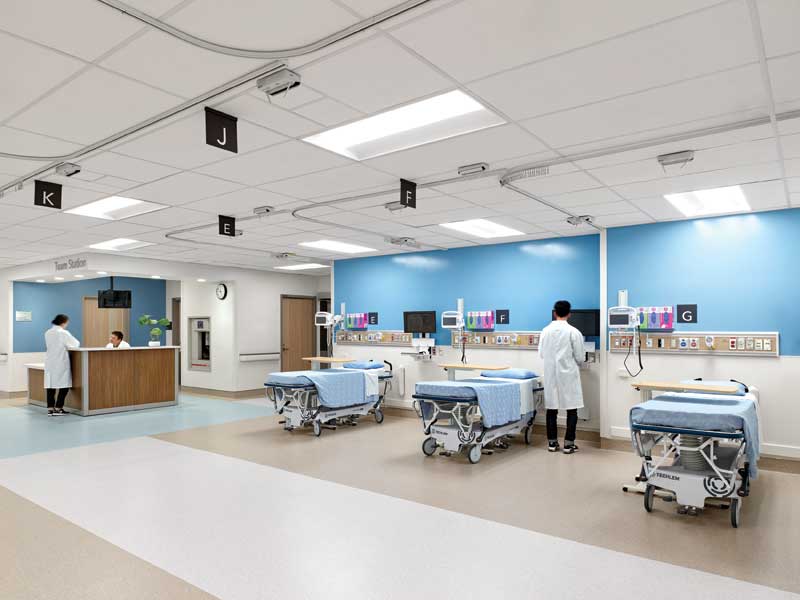
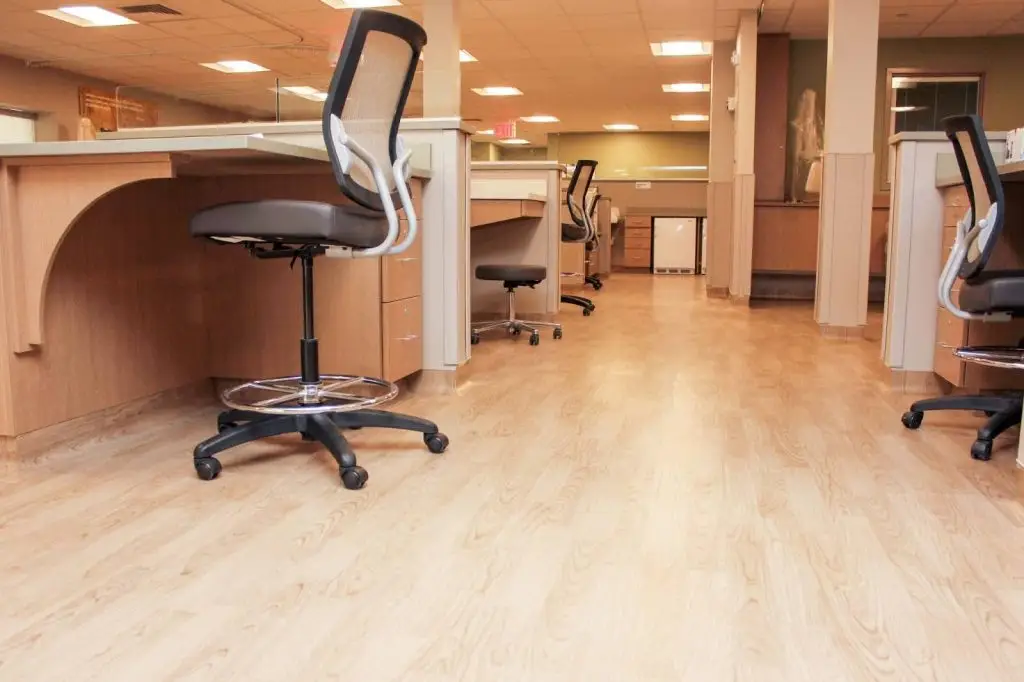
What Healthcare Needs From Flooring
Healthcare flooring has to do more than look clean — it has to stay clean under aggressive chemical protocols, handle constant rolling traffic from beds and carts, and hold up in facilities that never close. A floor that works in an office building will fail in a hospital within a few years.
The operational demands are layered. Infection control teams need surfaces that can withstand bleach-based cleaners without breaking down. Facilities teams need floors that won't dent under loaded crash carts or IV poles. And administration needs all of that at a lifecycle cost that pencils out against a tight capital budget.
Getting the flooring wrong in a healthcare setting creates problems that go beyond aesthetics. Seam failures become harborage points. Cracked tiles become trip hazards for patients with limited mobility. And replacing flooring in an active medical facility costs significantly more than installing it right the first time.
Common Failure Modes We Prevent
- • Seam lifting on sheet vinyl: Heat-welded seams open up when adhesive fails due to moisture vapor from the slab or insufficient roller pressure during install. Once a seam lifts, it traps contaminants and becomes an infection control issue.
- • Rolling load indentation: Hospital beds, med carts, and equipment dollies concentrate weight on small caster wheels. Flooring not rated for the actual rolling loads in a corridor will dent and eventually crack.
- • Chemical discoloration and breakdown: Quaternary ammonium and bleach-based disinfectants will degrade the wrong finish layer. This shows up as yellowing, clouding, or a sticky surface that attracts more soil.
- • Moisture-driven adhesive failure: On-grade and below-grade slabs in older healthcare buildings often have elevated moisture vapor emission. Without proper testing and mitigation, the adhesive bond fails and tiles or sheet goods start to telegraph, bubble, or release.
- • Slip hazards in wet zones: Restrooms, soiled utility rooms, and areas near ice machines need flooring with appropriate wet-condition slip resistance. Smooth-finish resilient flooring in these areas is a liability.
- • Transition strip failures at doorways: High-traffic transitions between flooring types — especially at room entries where beds cross regularly — take a beating. Poorly anchored or wrong-profile transitions become trip hazards fast.
- • Wall base gaps allowing fluid migration: Cove base that separates from the wall or floor lets spills and cleaning fluids migrate behind the wall base, creating odor and mold issues that are invisible until the base is pulled.
Recommended Systems by Zone
Healthcare facilities are not one zone — they're a dozen zones with different traffic patterns, cleaning protocols, and performance requirements. Here's what we typically recommend by area, based on what holds up in the field.
Corridors
Corridors take the hardest rolling load abuse in any healthcare facility. Hospital beds, crash carts, and supply dollies run through them around the clock. Sheet vinyl with heat-welded seams is the standard — it eliminates seam gaps and handles rolling loads well. Commercial-grade LVT rated for heavy rolling loads is also common and offers more design flexibility.
Avoid: Carpet of any kind. It's difficult to disinfect and wears unevenly under rolling traffic.
Waiting Areas
Waiting rooms see a mix of foot traffic, wheelchairs, and spills. LVT/LVP works well here — it cleans easily, holds up to chair legs, and comes in designs that feel less institutional. Rubber flooring is another strong option for comfort underfoot and sound dampening.
Avoid: Broadloom carpet. It stains easily and is difficult to spot-clean in high-use areas.
Exam Rooms
Exam rooms need easy cleanability between patients and resistance to the disinfectants your infection control team specifies. Sheet vinyl with a flash-coved wall base creates a sealed perimeter. LVT is also widely used — confirm chemical compatibility with the specific products your cleaning crew uses.
Avoid: VCT. The required waxing schedule is a maintenance burden, and wax buildup in corners creates cleaning problems.
Patient Rooms
Patient rooms balance comfort with cleanability. LVT is the dominant choice — it's warm underfoot, quieter than sheet vinyl, and available in wood-look patterns that make rooms feel less clinical. Sheet vinyl is the go-to when seamless performance is the higher priority.
Avoid: Carpet tile. Even in lower-acuity settings, the cleanability risk outweighs any comfort benefit.
Procedure Areas
Procedure rooms and surgical suites demand the highest level of infection control. Sheet vinyl with fully heat-welded seams and integral cove base is the standard. Some facilities spec resinous flooring for sterile processing or high-splash areas where a fully monolithic surface is required.
Avoid: Any product with seams that can't be heat-welded or chemically welded. Grout lines are also generally unacceptable.
Staff Areas
Break rooms, offices, and nurse stations have lighter cleaning demands but still need to handle spills and rolling chairs. LVT is the most practical choice. Carpet tile is acceptable in private offices that are separated from patient-care zones.
Avoid: Broadloom carpet in any area adjacent to clinical spaces — it complicates transition detailing and cleaning protocols.
Restrooms
Healthcare restrooms need slip resistance, moisture resistance, and seamless perimeters. Sheet vinyl with flash-coved base is the top choice. Porcelain tile with appropriate slip rating and epoxy grout works in larger restroom footprints where aesthetics matter.
Avoid: Standard LVT without enhanced slip ratings. Standing water on smooth LVT is a fall risk.
Spec Checklist Before You Bid
If you're putting together a bid package for healthcare flooring, make sure these items are addressed before the project goes out to contractors. Missing any of them will lead to change orders or premature failures.
- • Moisture testing: Confirm ASTM F2170 (in-situ relative humidity) or ASTM F1869 (calcium chloride) testing has been done. On-grade slabs in older healthcare buildings frequently exceed manufacturer thresholds. Budget for moisture mitigation if results are borderline.
- • Subfloor flatness: Verify F-number tolerances for the specified flooring. Sheet vinyl and LVT telegraph every subfloor imperfection. Concrete prep and leveling is almost always needed in renovation work.
- • Transitions: Map every transition point between flooring types. Hospital beds cross thresholds constantly — transitions need to be flush, ADA-compliant, and mechanically fastened or fully adhered.
- • Wall base: Specify cove base height and whether flash coving (integral wall-base) is required. Flash coving creates a sealed perimeter that prevents fluid migration — it's standard in most patient-care areas.
- • Slip resistance: Confirm DCOF (dynamic coefficient of friction) requirements for each zone. Wet areas need higher DCOF values. Verify the specific products meet the threshold before specifying.
- • Rolling load rating: Check the flooring manufacturer's rolling load test data against the actual equipment used in the facility. Hospital bed casters and loaded supply carts often exceed what residential-grade products can handle.
- • Chemical compatibility: Get a list of every cleaning and disinfecting product used by the facility's EVS team. Cross-reference with the flooring manufacturer's chemical resistance chart. Bleach-based and peroxide-based cleaners are common problem areas.
Downtime and Phasing Plan
Healthcare facilities don't close. That means every flooring project has to be phased around active patient care, staff operations, and — depending on the area — sterile environments. We typically work after hours and on weekends to minimize disruption, with corridor work often happening between 7 PM and 5 AM.
Dust containment is critical. Any work adjacent to patient-care areas requires negative-pressure barriers and HEPA filtration during demolition and removal. This isn't optional — infection control will shut down the project if containment fails. We coordinate containment plans directly with the facility's infection control officer before work begins.
Access planning matters more than it does in most commercial projects. Patient rooms need to be cleared and furniture staged. Staff need alternate routes when corridors are blocked. Elevators may need to be reserved for material delivery at specific times. We build all of this into the phasing schedule before the first tile comes up.
Maintenance Reality Check
The flooring you install is only as good as the maintenance program that supports it. Sheet vinyl and LVT are both marketed as "low maintenance," and they are — relative to VCT. But they're not zero maintenance. Sheet vinyl with a polyurethane finish needs periodic recoating to maintain its chemical resistance. LVT needs regular dust mopping and damp mopping with a pH-neutral cleaner to prevent film buildup.
Rubber flooring is genuinely low maintenance — it doesn't need waxing or refinishing — but it does require specific cleaning products. Some common healthcare disinfectants can damage rubber if left on the surface too long. Make sure your EVS team has the right cleaning protocol from day one.
The biggest maintenance mistake we see in healthcare is using aggressive chemicals on flooring that isn't rated for them. Infection control drives the cleaning protocol, and that protocol doesn't bend to accommodate the floor. Specify flooring that can handle the chemicals already in use — don't plan on changing the cleaning program to protect the floor.
Cost Drivers
Healthcare flooring projects tend to cost more per square foot than standard commercial work. Here's what drives the budget up.
- • After-hours labor: Night and weekend work is standard in occupied healthcare facilities, and it carries a labor premium.
- • Dust containment and infection control: Negative-pressure barriers, HEPA filtration, and sealed containment add material and labor to every phase.
- • Moisture mitigation: Older on-grade slabs frequently need epoxy moisture barriers before new flooring can go down. This adds time and cost but prevents warranty-voiding failures.
- • Flash coving and heat-welded seams: Creating sealed perimeters with integral cove base is labor-intensive and requires skilled installers.
- • Phasing complexity: More phases mean more mobilizations, more barrier setups, and more coordination with facility staff. A project that could be done in two weeks straight might take six weeks phased.
- • Subfloor remediation: Renovation work in older healthcare buildings often reveals subfloor conditions that need leveling, patching, or full skim-coating before new material can be installed.
- • Product spec requirements: Healthcare-grade sheet vinyl and high-performance LVT cost more than standard commercial products. Rolling load ratings, chemical resistance, and warranty terms all factor in.
FAQs
What is the best flooring for a hospital?
It depends on the zone. Corridors and procedure areas do best with sheet vinyl that has heat-welded seams for a continuous, seamless surface. Patient rooms and waiting areas often use commercial LVT for its balance of durability, aesthetics, and cleanability. There's no single "best" product — the right answer is matching the flooring to each area's demands.
Can you install flooring in a hospital without shutting down operations?
Yes. We do it regularly. The work is phased by zone, typically during after-hours shifts, with dust containment barriers separating the work area from active patient-care spaces. The phasing schedule is built around the facility's operations, not the other way around.
How long does healthcare flooring last?
With proper installation and maintenance, commercial sheet vinyl and LVT in healthcare settings typically perform well for 15 to 20 years in moderate-traffic areas. High-traffic corridors may need replacement sooner. Rubber flooring can last even longer with proper care. The biggest variable is whether the maintenance program matches the product's requirements.
Does healthcare flooring need moisture testing before installation?
Always. Every resilient flooring manufacturer requires moisture testing before installation, and elevated slab moisture is one of the most common reasons healthcare flooring fails prematurely. We test per ASTM F2170 and recommend moisture mitigation when results exceed the manufacturer's threshold.
Is rubber flooring good for hospitals?
Rubber flooring is excellent in specific zones — it's slip-resistant, comfortable for staff who stand all day, and doesn't need waxing. It works well in corridors, nurse stations, and staff areas. It's less common in patient rooms (where LVT's aesthetics are preferred) and not standard in sterile procedure areas (where sheet vinyl's welded seams are required).
What flooring can handle hospital-grade disinfectants?
Most commercial sheet vinyl and healthcare-grade LVT are formulated to resist common hospital disinfectants, including bleach-based and quaternary ammonium products. However, compatibility varies by manufacturer and product line — always cross-reference the specific disinfectants your EVS team uses with the flooring manufacturer's chemical resistance data.
Related
- • Commercial Flooring Types Explained
- • Moisture Mitigation: When Is It Needed?
- • Planning a Flooring Replacement in an Occupied Building
- • Sheet Vinyl Flooring
- • LVT/LVP Flooring
- • Rubber Flooring
- • Epoxy & Resinous Flooring
- • After-Hours & Occupied Installation
- • Moisture Mitigation Services
- • Case Study: Healthcare LVT Installation
Ready to Update Your Healthcare Flooring?
Contact us for a free site walk and detailed proposal for your healthcare facility project.
Request a Quote